
Advertising Photo Series
Home > Digital Photography > Advertising Photo Series
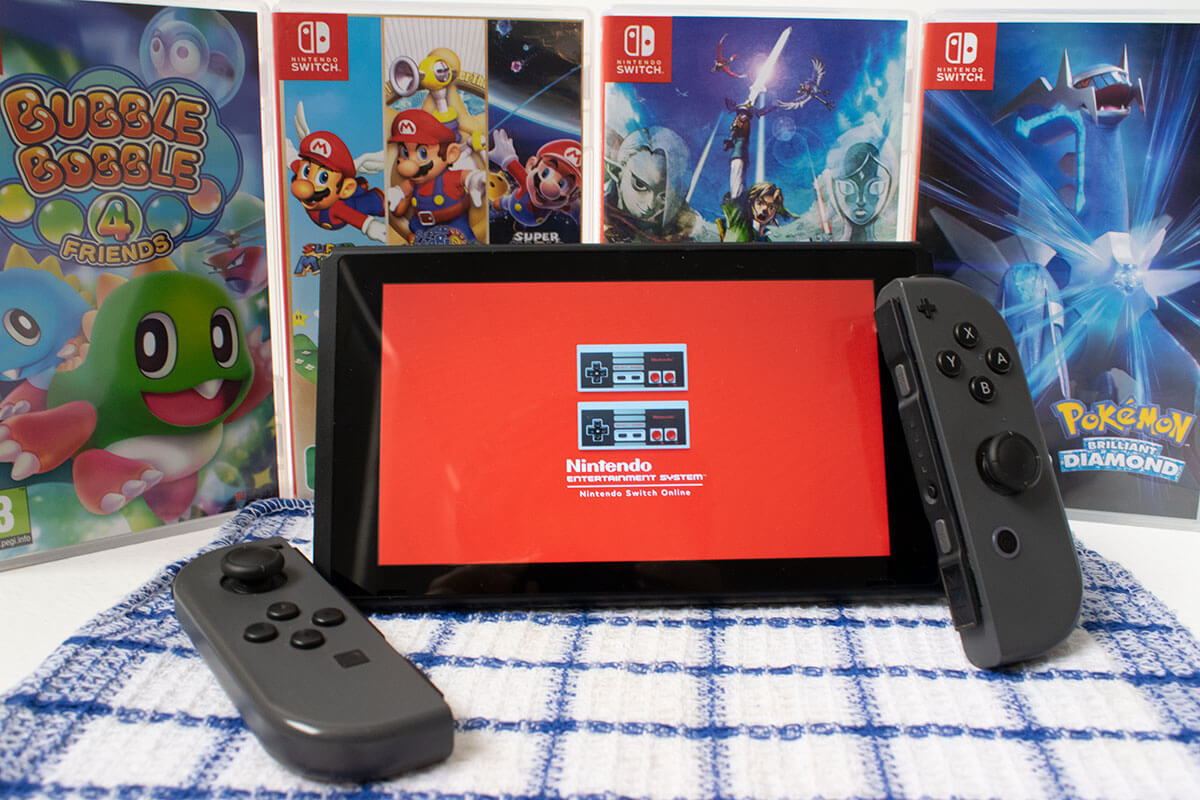
Original photo without edit
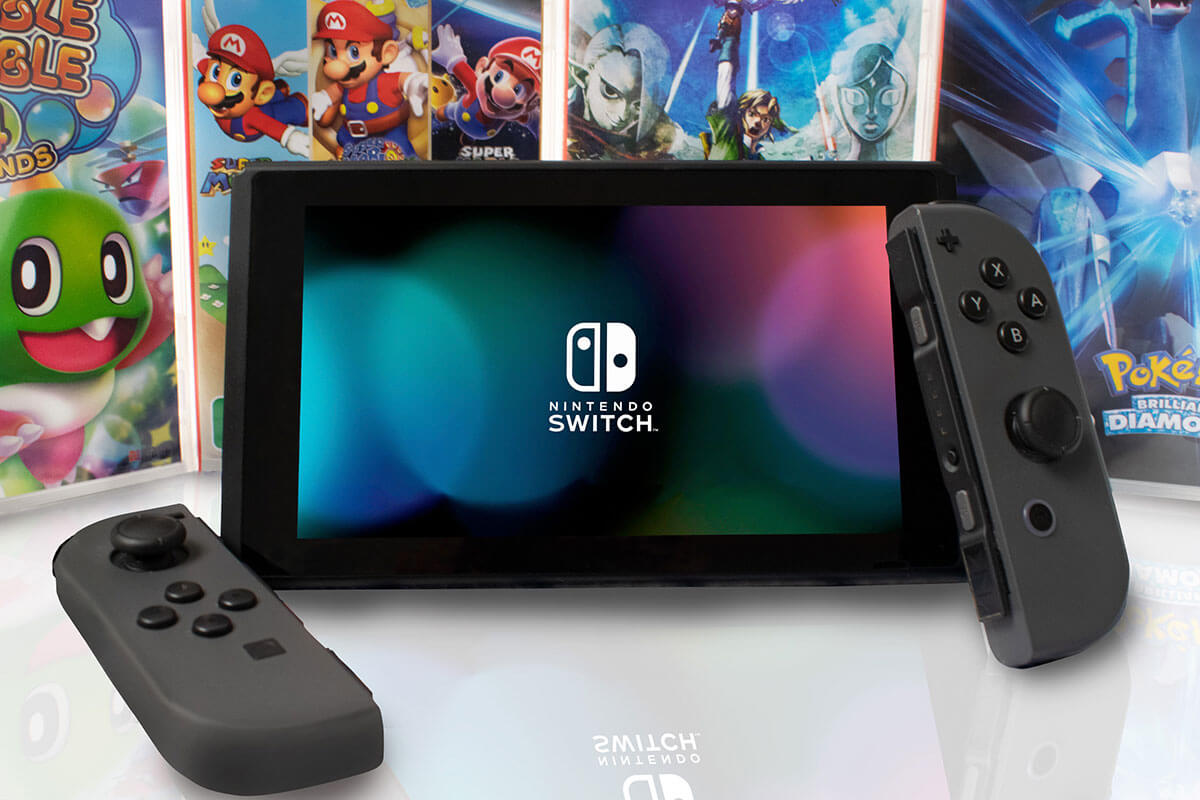
Final version of the photo with edit
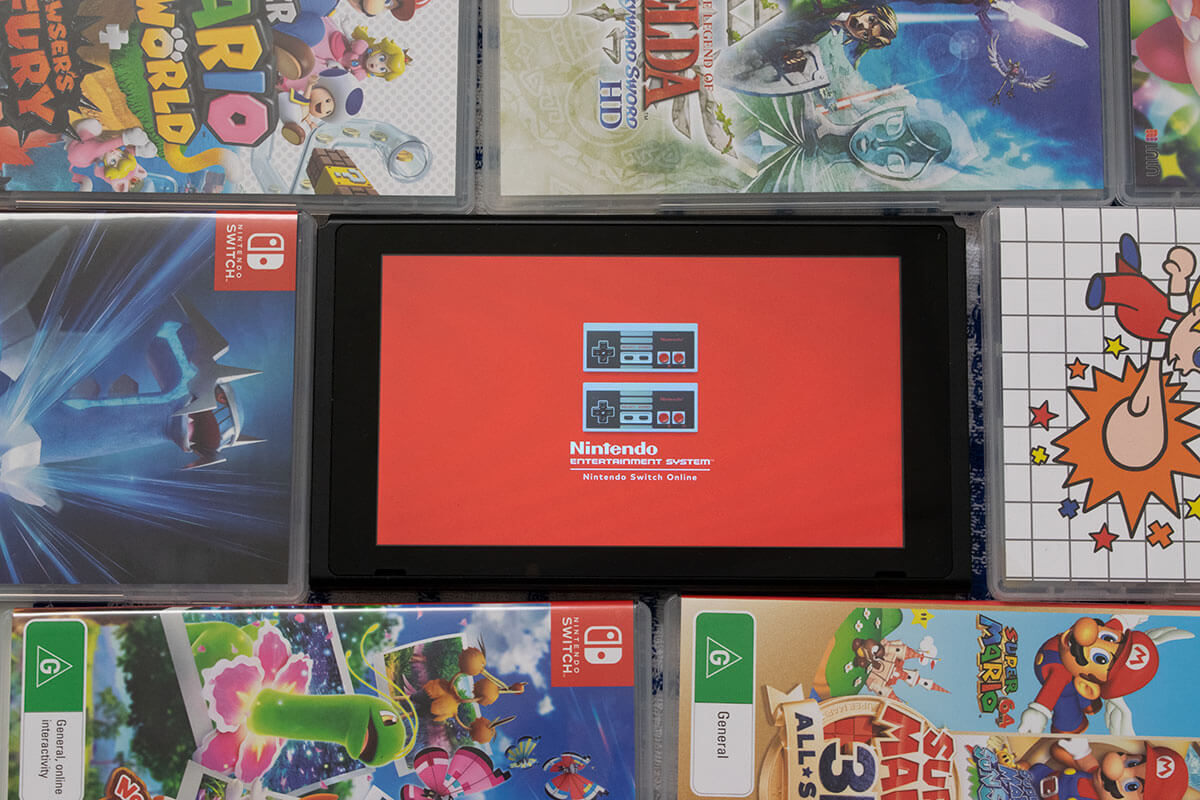
Original photo without edit
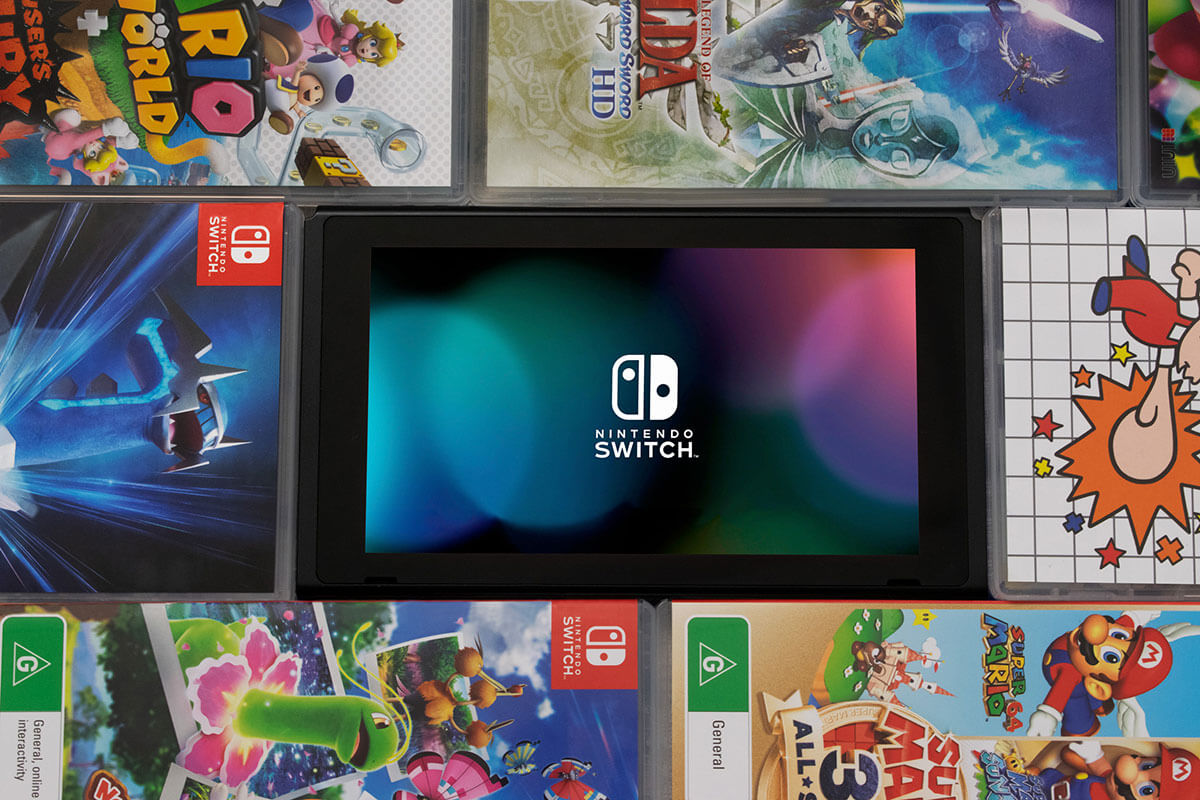
Final version of the photo with edit
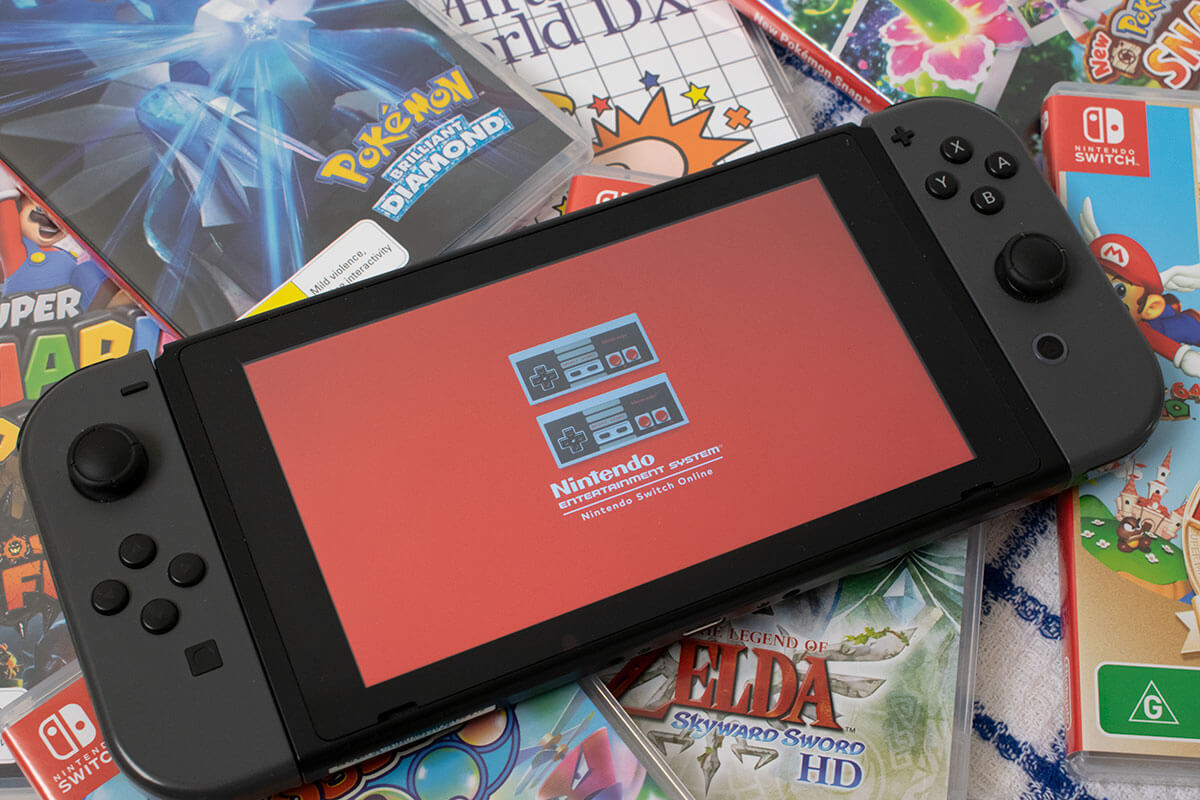
Original photo without edit
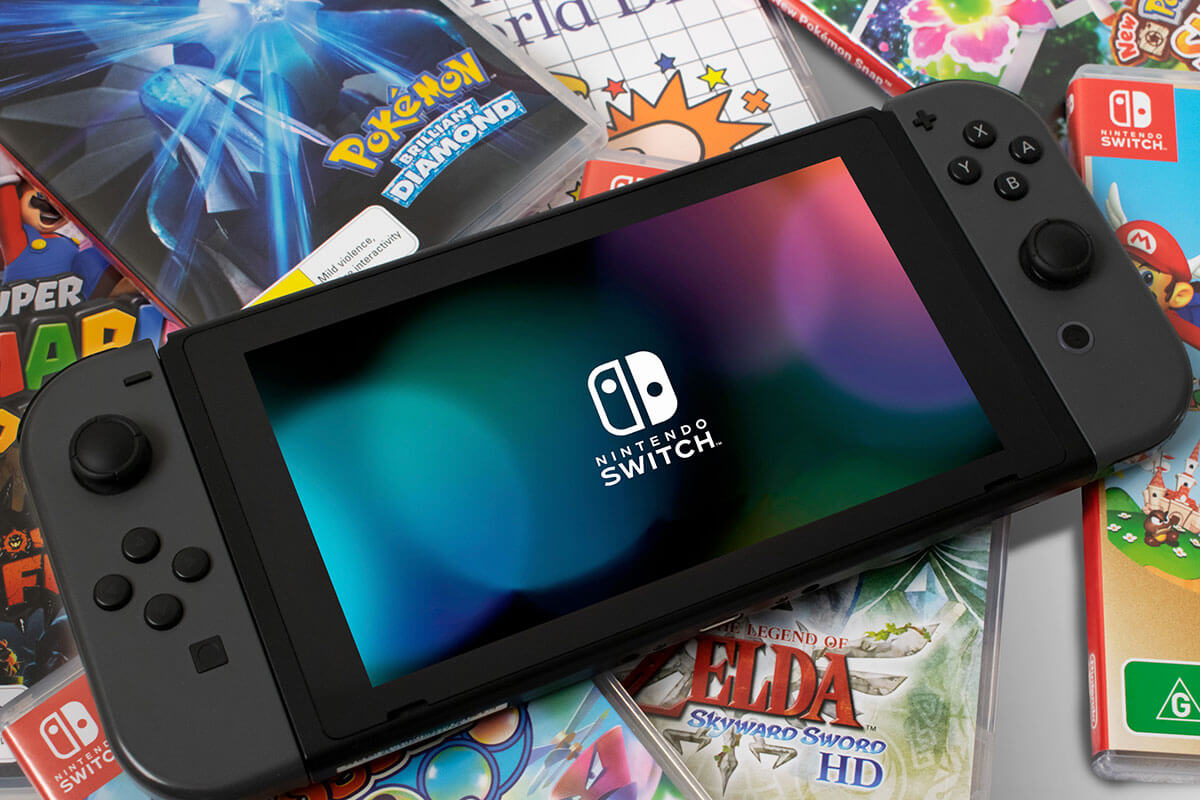
Final version of the photo with edit
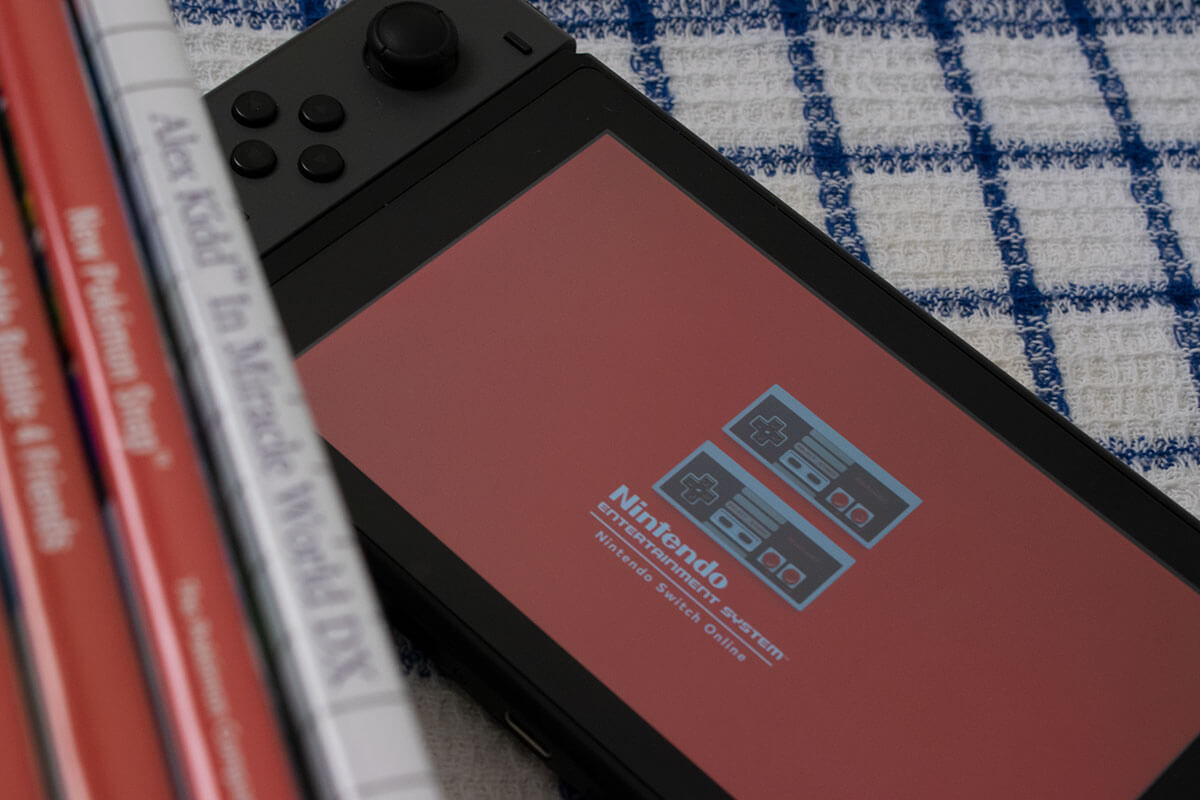
Original photo without edit
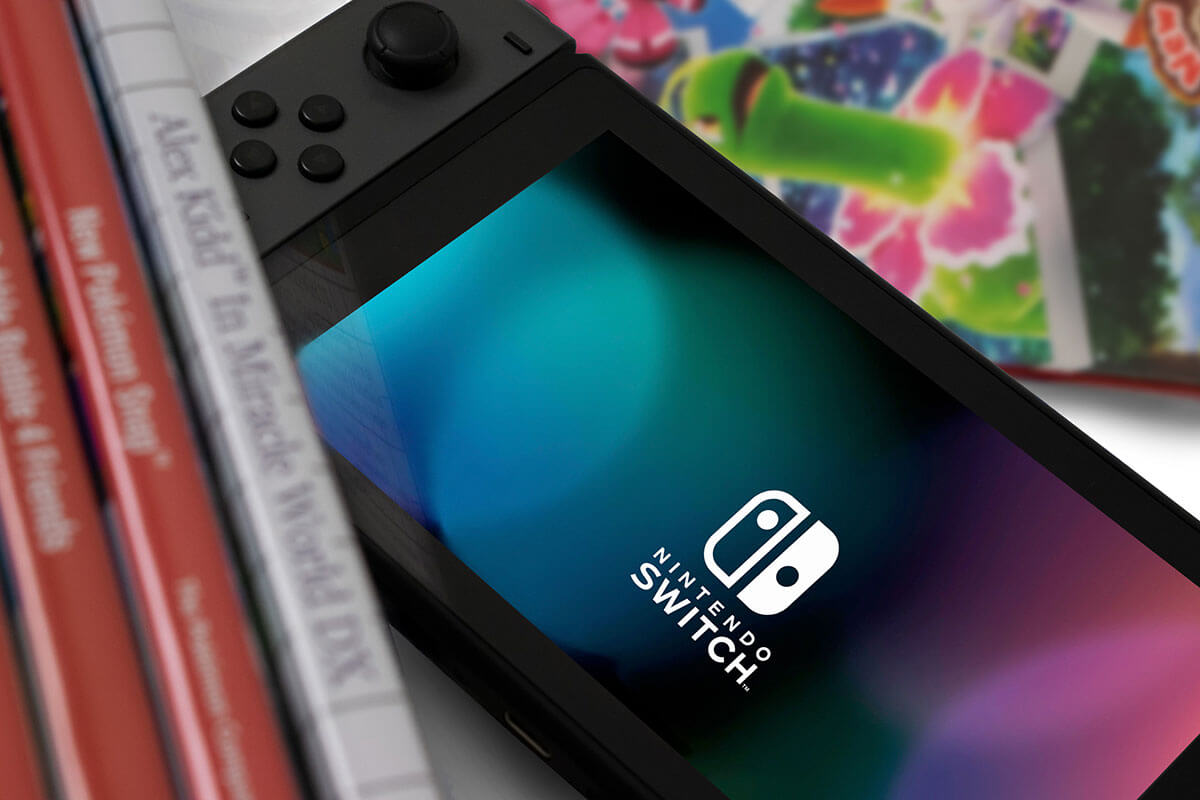
Final version of the photo with edit
Description of the audience
The Nintendo Switch was released on March 3, 2017. What exactly was Nintendo’s targeted audience? They planned to target extremely busy people in their twenties and thirties. Nintendo hoped to do this by developing a hybrid system that would allow gamers to play their favourite console games on the go. Brian Honigman, a content marketing strategist, made the following observations regarding this target audience: In the 18 to 34 year old age group, 40% of males and 33% of females said they «would buy everything online if they could». Nintendo has opted to concentrate its efforts on brand loyalty. They targeted «traditional Nintendo players» with titles like Mario Kart, Super Smash Bros, The Legend of Zelda, Super Mario, Kirby, Donkey Kong, and Pokemon. Through brand loyalty, these games aided Nintendo’s Switch Console sales. Nintendo also went above and above by making it easier for PC game developers to produce games that could be played on the Nintendo Switch. This enables the system to attract clients from the PC market and convert them to the Nintendo Switch, or at least to their gaming interests.
Description of creative style and how this relates to the brand
They leveraged brand loyalty to identify their target demographics, and they used psychographics to stimulate interest through social media comments of other individuals who had purchased and played with their new Nintendo Switch. The creative style should be easily adaptable between displays and platforms based on this. The goal is to promote the Nintendo Switch system and demonstrate its many possibilities: portable, with or without a controller, and every type of play feasible. This is consistent with Nintendo’s overall philosophy, which employs simple images and communication on its goods. Because Nintendo is and continues to be a well-known Japanese corporation, its communication is basic and straightforward. The product is in the heart of the graphics for them. Situations that can be found at home are represented.
How the images are planned to be presented
These photos will be used to accompany articles on the Nintendo Company or the Nintendo Switch on digital platforms. This will allow the product to be displayed in a variety of ways while also demonstrating that the console can be utilised with a wide range of games. This implies that the Nintendo Switch game library is available and has a large number of titles. The usefulness of photographs in illustrating an article is that they help readers to recognise what we are talking about at a glance and urge them to read the text in the piece.
Description of elements involved and why these components were used
The components around the console are colourful and lively, which contrasts with the games console’s black / grey contrast. Allowing it to stand out from the pack and be shown. The console is constantly positioned in the centre of the stage and sharp in the different photos. This emphasises its significance, and we notice it instantly.
The games in the various pictures are more in the background, demonstrating their diversity. The many states of the console symbolise the various methods of playing it, allowing you to realise that it may be used in a variety of ways. It’s also worth noticing that each of the floor reflection and shading game photographs is there, picking up the classic components of Nintendo’s commercials and giving them a professional look without going overboard. In the same way that the screen of the Nintendo Switch utilises the same model on each of the photographs, it creates a link between them and allows the viewer to realise that they are related.
It is also clear to notice that the arrangement of the games creates a changing ambience in the picture, sometimes serious and ordered, sometimes more informal. Each of these photographs will find a spot to accompany articles and will reflect the tone set by the author.
Home > Digital Photography > Advertising Photo Series